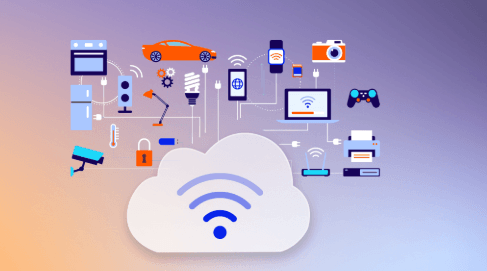
IoT generates streams of sensor data that demand immediate, actionable insight. Real-time analytics turn these streams into autonomous decision loops, enabling adaptive control at the edge with centralized governance. The promise rests on trust, provenance, and auditable pipelines that balance latency budgets with robust SLAs. As predictive maintenance and resilient architectures mature, enterprises confront data governance, security, and composable analytics questions that determine whether speed comes at the cost of oversight. The stakes hint at a decisive shift forward.
What Real-Time Analytics Do for IoT
Real-time analytics empower IoT ecosystems by transforming streams of sensor data into immediate, actionable insights. It enables autonomous decision loops, adaptive control, and predictive maintenance, aligning operations with strategic goals.
Edge latency becomes a design concern, not a bottleneck, as decentralized processing meets centralized oversight.
Data governance ensures trust, traceability, and compliance across scaled, freedom-driven networks.
The Data Challenges Behind Streaming IoT
Visionaries prioritize latency budgeting and data governance, shaping adaptive pipelines, informed by governance principles and clear SLAs.
Strategic curation enables resilient analytics, granting organizations freedom to act on timely, trusted insights.
Architecting a Real-Time IoT Analytics Stack
Architecting a Real-Time IoT Analytics Stack requires a disciplined blueprint that aligns data governance, latency targets, and scalable processing. The architecture emphasizes edge to edge data flows, modular streaming layers, and composable analytics. It enables autonomous decisioning, resilient pipelines, and clear governance boundaries, while empowering teams to architect boldly and iteratively, balancing speed with responsible, auditable data practices.
Practical Paths to Fast, Secure Insights
The approach emphasizes edge security and resilient streaming latency management, enabling autonomous prioritization and governance.
See also: IoT and the Rise of Smart Ecosystems
Frequently Asked Questions
How Does Edge Analytics Reduce Cloud Bandwidth Usage?
Edge analytics reduces cloud bandwidth usage by filtering, aggregating, and summarizing data locally, enabling edge optimization and bandwidth savings. This supports real time storage, lowers latency budgets, and empowers a visionary, data-driven strategy for freedom-loving enterprises.
What Are Cost Traps in Real-Time Iot Analytics?
Cost traps in real time analytics arise from misaligned streaming pipelines and privacy governance gaps; edge analytics offers bandwidth reduction yet requires vigilant data lineage. Visionaries evaluate anomaly metrics, risk indicators, and streaming controls to sustain freedom and trust.
How Do You Ensure Data Lineage in Streaming Pipelines?
Data lineage is maintained through immutable provenance, traceable metadata, and end-to-end checksums within streaming governance frameworks; the approach codifies every transform, source, and sink, enabling auditable, strategic decisions while preserving freedom to innovate across pipelines.
Which Metrics Best Indicate Iot Anomaly Risk?
Like a compass in fog, the metrics reveal anomaly signals, risk indicators, streaming governance, and privacy controls; they guide proactive IoT risk assessment, enabling visionary, data-driven decisions while preserving freedom and resilient, privacy-respecting operations.
What Governance Controls Protect Streaming Data Privacy?
Privacy governance and data minimization protect streaming data privacy by establishing minimal-collection principles, robust access controls, and continuous auditing; strategically enabling freedom while ensuring accountability, transparency, and risk-aware decision-making in real-time data environments.
Conclusion
In the jagged horizon of IoT, streams become steady clocks: data-driven decisions sharpened by real-time insight. Yet the cadence must be governed, auditable, and secure, or momentum fades into risk. Juxtaposing latency with governance reveals a paradox: speed without trust yields noise; governance without speed yields inertia. A resilient, edge-to-edge analytics stack reframes constraints as capabilities, turning disparate sensors into a cohesive, strategic nervous system. The result is proactive resilience, measurable value, and enduring organizational clarity.
